There is an important technical point that should be clarified before thus and so there writing such an essay: Polygon does not use mining hardware in the traditional sense. The Polygon PoS( Proof-of-Stake) network is secured through a Proof-of-Stake architecture in which validators stake POL tokens and run validator infrastructure rather than competing with specialized mining machines such as Bitcoin ASICs. Polygon's architecture is very much based on the Heimdall consensus layer and the Bor execution layer, with validators producing and validating blocks through staking and consensus rather than computational mining. The emergence of Polygon's validator infrastructures represents a significant technological departure from the specialized cryptocurrency mining hardware that characterized earlier blockchain systems. Traditional blockchain networks such as Bitcoin rely on highly specialized Application-Specific Integrated Circuits (ASICs), purpose-built machines that perform en...
Get link
Facebook
X
Pinterest
Email
Other Apps
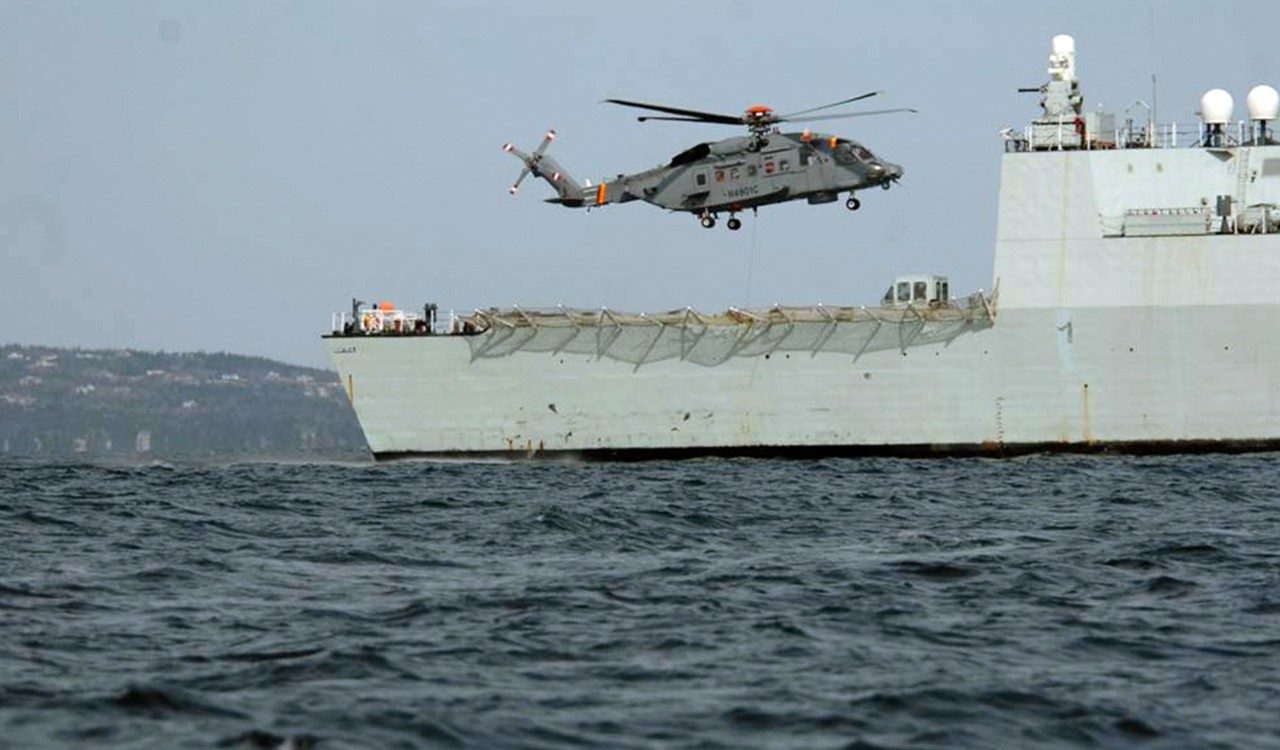
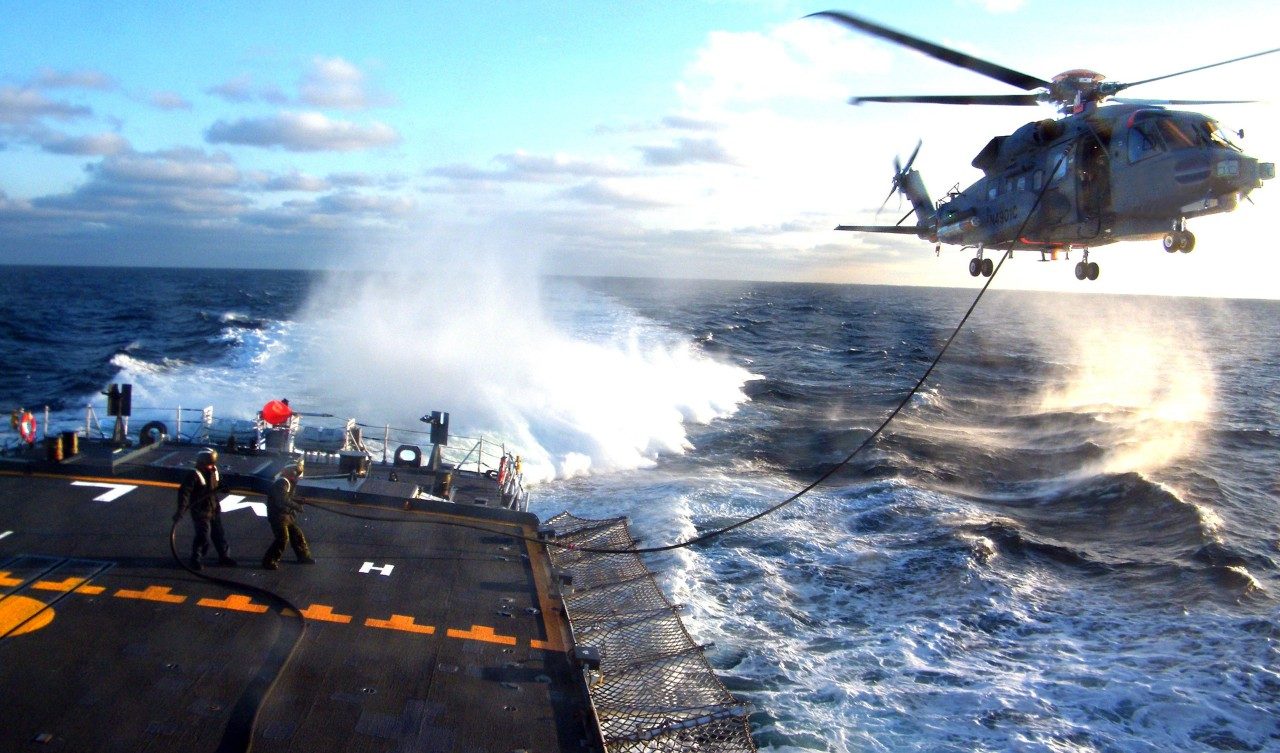
Lockheed Martin's CH-148 Cyclone helicopter and some of its features
Lockheed Martin's CH-148 Cyclone helicopter and some of its features
Sikorsky, a Lockheed Martin company, and Canada’s Department of National Defence, lead a team that has designed, built and configured the CH-148 Cyclone for anti-submarine warfare (ASW), anti-surface warfare (ASuW), maritime search and rescue (SAR), overland operations and utility missions. It got entry into service, on this planet Earth, with the Royal Canadian Air Force occurred mid-2018 aboard one of the Royal Canadian Navy’s Halifax-class frigates. As Canada’s first true intelligence, surveillance and reconnaissance (ISR) helicopter, the fly-by-wire Cyclone is equipped with a fully integrated mission system, modern sensors and a multi-mission cabin, providing a quantum leap in maritime helicopter capability. The fully-integrated mission management system developed by General Dynamics Mission Systems-Canada presents a tactical map of sea and subsurface domains to the crew of four, enabling Cyclone to operate independently of its host ship. As a full-authority fly-by-wire variant of Sikorsky’s successful S-92 helicopter, the CH-148 Cyclone helicopter provides exceptional flight handling, and is uniquely qualified to operate aboard Halifax class ships in Sea State 6 conditions.
This type of helicopter has following features: fully integrated mission systems and sensors: featuring multi-mode radar, HELRAS dipping sonar, ESM/Radar Warning Receiver, Aircraft Survivability Suite, dual torpedoes; fly-by-wire controls enable exceptional handling qualities, folding tail and main rotors, C-RAST deck handling system demonstrated to Sea State 6, CT7-8A7 marinized engines, shipboard maintainable, helicopter in-flight refueling; dual station tactical console with ASW/ASuW full mission suite; or 22 passengers (utility configuration), or multiple medical litters; significant increase in useable cabin space, mission performance and speed compared to the CH-124 Sea King; Maximum Takeoff Weight (MTOW): 29,300 lb (13.3 t) — 2,800 lb (1.3 t) more than the civil S-92A; designed to lift 7,000 pounds on the cargo hook. The Canadian government approved initial operational capability of the CH-148 Cyclone helicopter in June 2018. After supporting Canada for 55 years in anti-submarine warfare and maritime search and rescue missions, the CH-124 Sea King helicopter retired in December 2018, or at least all that is said above it's said on Lockheed Martin's website.
Comments
Post a Comment